
Redesigning a dual-platform healthcare product
to nearly double onboarding completion
Redesigning a dual-platform healthcare
product to nearly double
onboarding completion
Redesigning a dual-platform
healthcare product to nearly double
onboarding completion
Redesigning a dual-
platform healthcare
product to nearly double
onboarding completion
OVERVIEW
I.
Cutting friction across
two very different users
Cutting friction across
two very different users
Cutting friction across
two very different users
Cutting friction across
two very different users
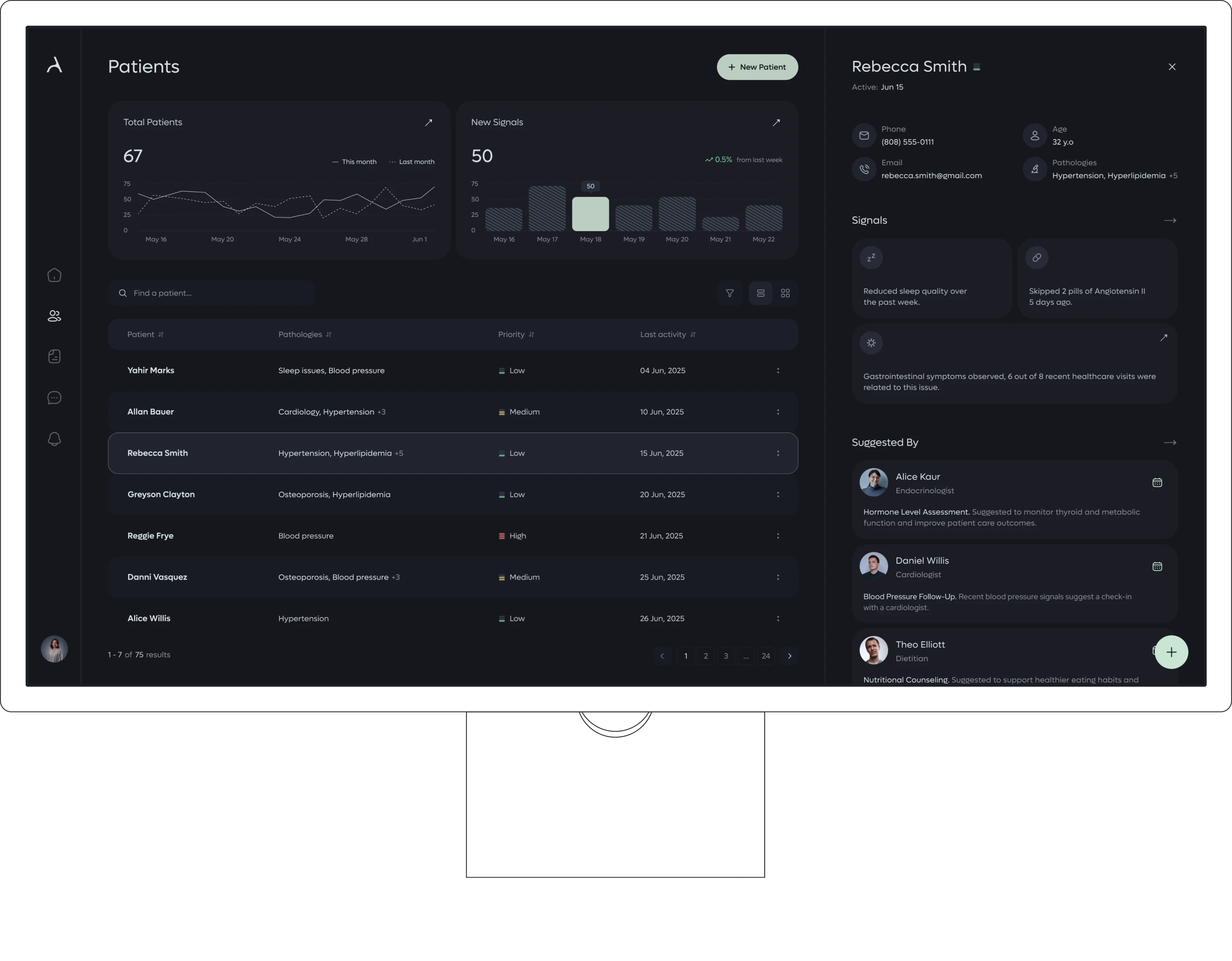
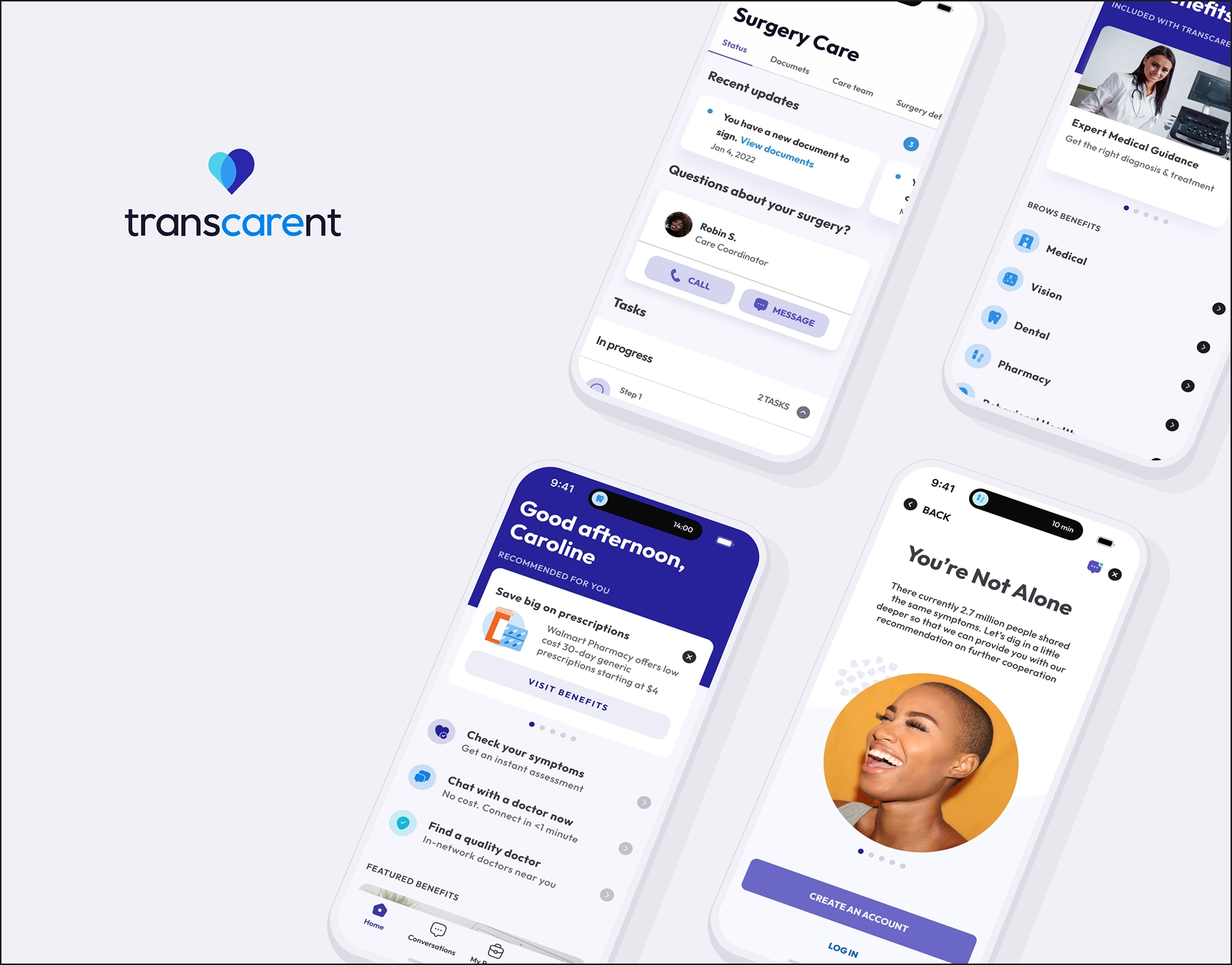
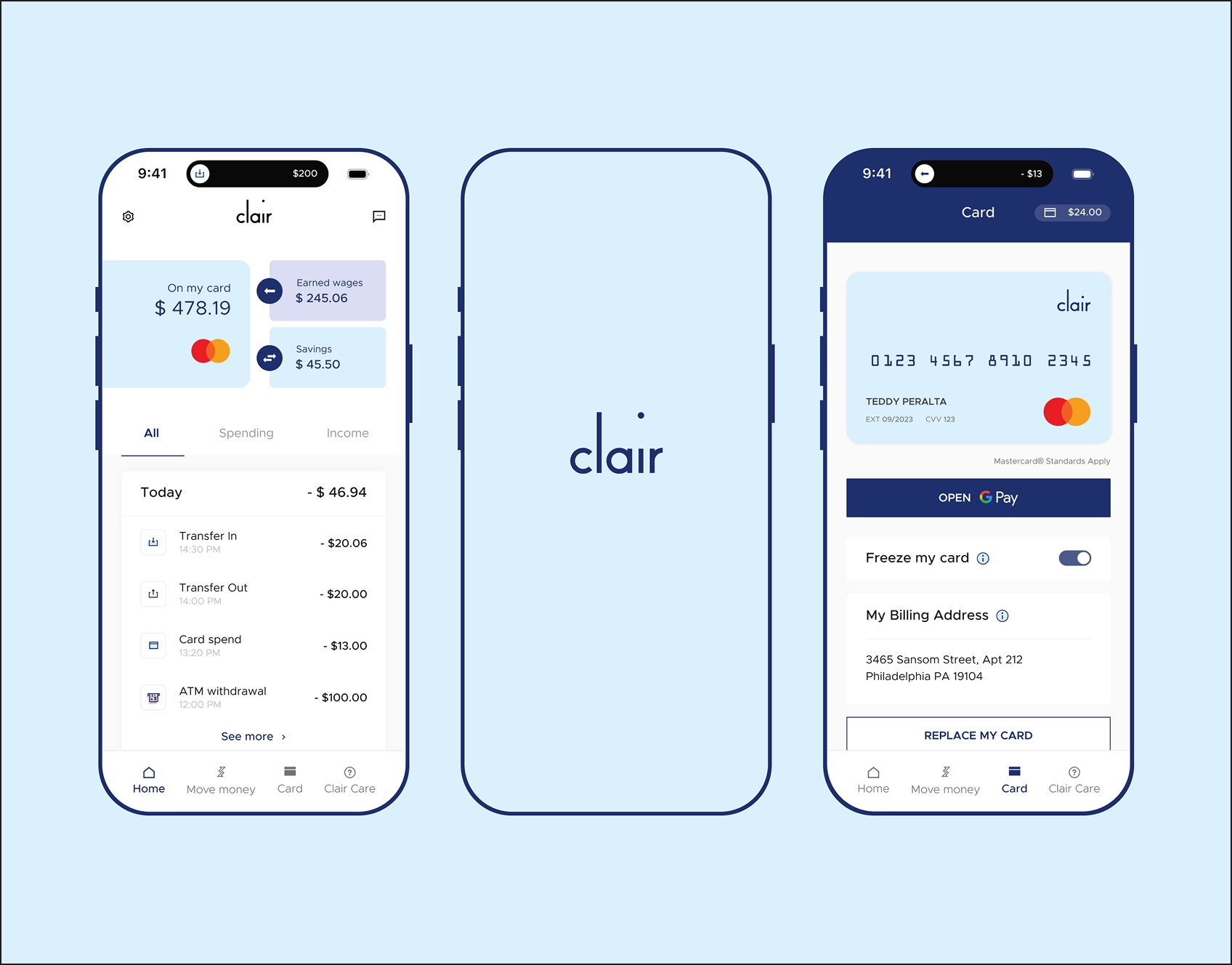
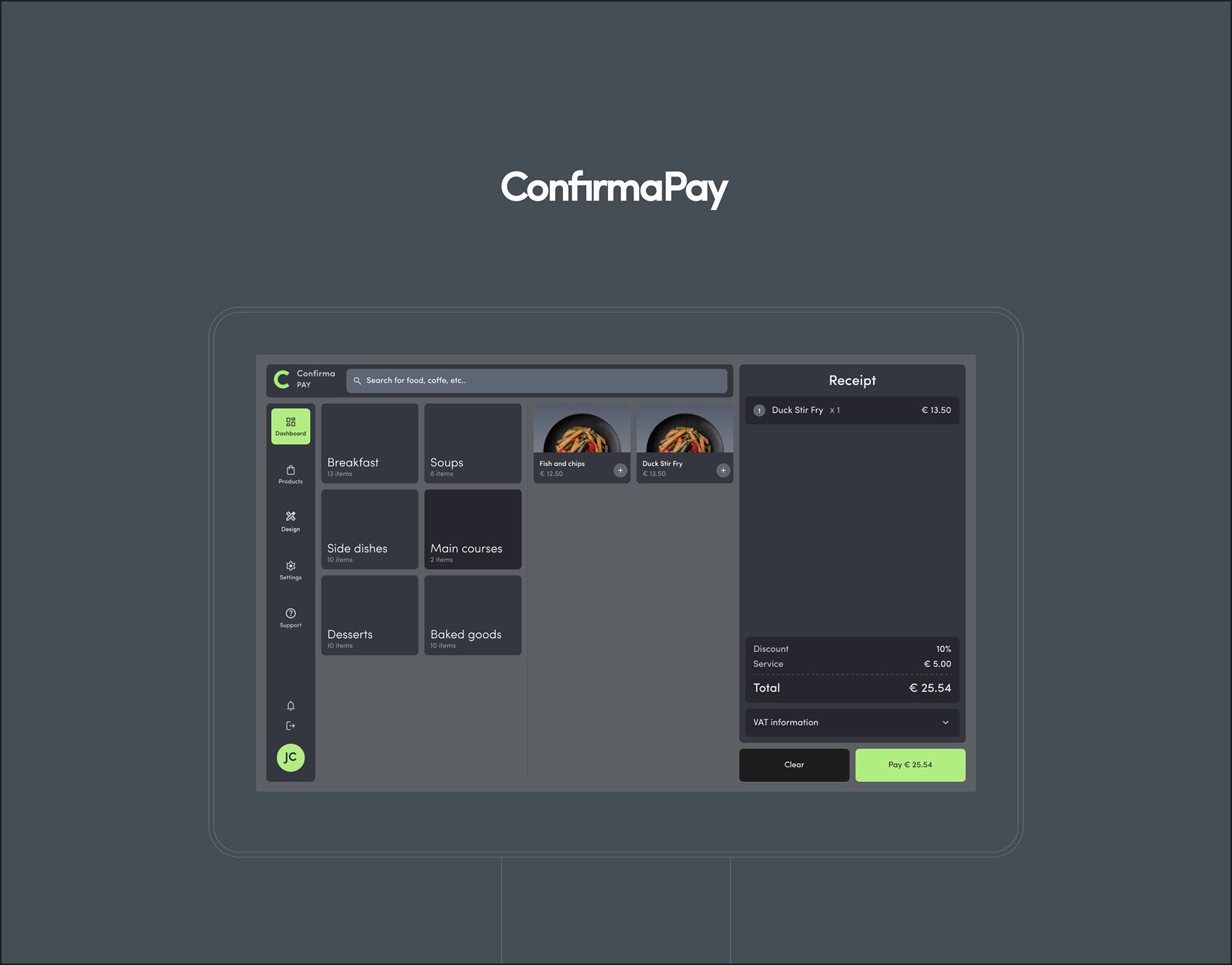
Aurelia runs a healthcare platform serving both
patients and providers — patients managing their
health on mobile, providers making clinical
decisions on a data-dense web dashboard.
We led a full redesign across both surfaces —
visual design system, onboarding flow, and core
provider workflow.
Aurelia runs a healthcare platform serving both
patients and providers — patients managing their
health on mobile, providers making clinical
decisions on a data-dense web dashboard.
We led a full redesign across both surfaces —
visual design system, onboarding flow,
and core provider workflow.
Aurelia runs a healthcare platform serving
both patients and providers — patients
managing their health on mobile, providers
making clinical decisions on a data-dense
web dashboard. We led a full redesign
across both surfaces — visual design
system, onboarding flow, and core
provider workflow.
Aurelia runs a healthcare platform serving both
patients and providers — patients managing
their health on mobile, providers making clinical
decisions on a data-dense web dashboard.
We led a full redesign across both surfaces —
visual design system, onboarding flow, and core
provider workflow.

Client name changed to protect confidentiality
under the terms of our engagement.
Client name changed to protect confidentiality under the terms
of our engagement.
Client name changed to protect confidentiality
under the terms of our engagement.
Client name changed to protect confidentiality
under the terms of our engagement.
24.6% 43.9%
3.2/5 4.4/5
Patient onboarding completion rate
Patient onboarding completion rate
Patient onboarding
completion rate
Patient onboarding completion rate
Patient satisfaction (CSAT)
Patient satisfaction (CSAT)
Patient satisfaction (CSAT)
Patient satisfaction (CSAT)
PROBLEM
ii.
Diagnosing friction across
two user journeys
Diagnosing friction
across two
user journeys
Diagnosing friction
across two
user journeys
Diagnosing friction
across two user journeys
A usability audit and platform-wide data review
surfaced friction across Aurelia's patient
and provider experiences alike — friction that
showed up consistently in the numbers, not just
in user complaints.
A usability audit and platform-wide data review
surfaced friction across Aurelia's patient
and provider experiences alike — friction
that showed up consistently in the numbers,
not just in user complaints.
A usability audit and platform-wide
data review surfaced friction across
Aurelia's patient and provider experiences
alike — friction that showed up
consistently in the numbers, not just
in user complaints.
A usability audit and platform-wide data
review surfaced friction across Aurelia's patient
and provider experiences alike — friction
that showed up consistently in the numbers,
not just in user complaints.
To ground the redesign in evidence rather
than assumption, the team ran a usability audit
and funnel analysis of the existing product before
defining the approach.
To ground the redesign in evidence rather
than assumption, the team ran a usability audit
and funnel analysis of the existing product
before defining the approach.
To ground the redesign in evidence rather
than assumption, the team ran a usability
audit and funnel analysis of the existing
product before defining the approach.
To ground the redesign in evidence rather
than assumption, the team ran a usability audit
and funnel analysis of the existing product before
defining the approach.
Patient onboarding completion sat at industry parity —
not above it
Patient onboarding completion sat at industry
parity — not above it
Patient onboarding completion
sat at industry parity —
not above it
Patient onboarding completion sat
at industry parity — not above it
A usability audit and funnel analysis revealed a 24.6% signup completion rate.
While matching the healthcare SaaS average, this meant nearly three in four patients
dropped off before completing device pairing and profile setup, preventing the platform
from generating health signals. Overcoming this industry-wide friction was treated
as a competitive differentiator, not just a bug fix.
A usability audit and funnel analysis revealed a 24.6% signup
completion rate. While matching the healthcare SaaS average,
this meant nearly three in four patients dropped off before
completing device pairing and profile setup, preventing the platform
from generating health signals. Overcoming this industry-wide
friction was treated as a competitive differentiator, not just a bug fix.
A usability audit and funnel analysis revealed
a 24.6% signup completion rate. While matching
the healthcare SaaS average, this meant nearly
three in four patients dropped off before
completing device pairing and profile setup,
preventing the platform from generating health
signals. Overcoming this industry-wide friction
was treated as a competitive differentiator,
not just a bug fix.
A usability audit and funnel analysis revealed
a 24.6% signup completion rate. While matching
the healthcare SaaS average, this meant nearly
three in four patients dropped off before
completing device pairing and profile setup,
preventing the platform from generating health
signals. Overcoming this industry-wide friction
was treated as a competitive differentiator,
not just a bug fix.
The core provider workflow took too many steps
The core provider workflow took
too many steps
The core provider workflow took
too many steps
The core provider workflow took
too many steps
Reviewing an AI-flagged signal and taking a clinical action (schedule follow-up,
request a test, adjust a care plan) required 11 clicks/steps across three separate
dashboard views, based on a task-flow audit of the existing provider dashboard.
Reviewing an AI-flagged signal and taking a clinical action
(schedule follow-up, request a test, adjust a care plan) required
11 clicks/steps across three separate dashboard views,
based on a task-flow audit of the existing provider dashboard.
Reviewing an AI-flagged signal and taking a clinical
action (schedule follow-up, request a test,
adjust a care plan) required 11 clicks/steps across
three separate dashboard views, based on a task-
flow audit of the existing provider dashboard.
Reviewing an AI-flagged signal and taking a clinical
action (schedule follow-up, request a test,
adjust a care plan) required 11 clicks/steps across
three separate dashboard views, based on a task-
flow audit of the existing provider dashboard.
The interface itself was compounding the problem
The interface itself was compounding
the problem
The interface itself
was compounding the problem
The interface itself was compounding
the problem
Inconsistent visual hierarchy, dense unstructured layouts, and dated UI patterns
across both platforms made an already complex clinical workflow harder to scan
and act on quickly.
Inconsistent visual hierarchy, dense unstructured layouts, and dated
UI patterns across both platforms made an already complex clinical
workflow harder to scan and act on quickly.
Inconsistent visual hierarchy, dense unstructured
layouts, and dated UI patterns across both
platforms made an already complex clinical
workflow harder to scan and act on quickly.
Inconsistent visual hierarchy, dense unstructured
layouts, and dated UI patterns across both
platforms made an already complex clinical
workflow harder to scan and act on quickly.
Low satisfaction was concentrated at first use
Low satisfaction was concentrated at first use
Low satisfaction
was concentrated at first use
Low satisfaction was concentrated
at first use
Post-onboarding CSAT surveys showed a 3.2/5 average — well below the rest
of the product experience — pointing to onboarding itself, not the core product,
as the trust deficit.
Post-onboarding CSAT surveys showed a 3.2/5 average — well below
the rest of the product experience — pointing to onboarding itself,
not the core product, as the trust deficit.
Post-onboarding CSAT surveys showed
a 3.2/5 average — well below the rest
of the product experience — pointing
to onboarding itself, not the core product,
as the trust deficit.
Post-onboarding CSAT surveys showed
a 3.2/5 average — well below the rest of the product
experience — pointing to onboarding itself,
not the core product, as the trust deficit.
OUR APPROACH
iii.
Turning audit findings
into a focused redesign
Turning audit findings
into a focused redesign
The redesign covered the full platform —
visual system, interaction patterns,
and information architecture across both patient
and provider experiences. Within that scope,
onboarding activation and provider efficiency
were primary focus areas for structural changes
where friction most directly blocked
business outcomes:
The redesign covered the full platform —
visual system, interaction patterns, and information
architecture across both patient and provider
experiences. Within that scope, onboarding
activation and provider efficiency were primary
focus areas for structural changes where friction
most directly blocked business outcomes:
The redesign covered the full platform —
visual system, interaction patterns,
and information architecture across both
patient and provider experiences.
Within that scope, onboarding activation
and provider efficiency were primary focus
areas for structural changes where friction
most directly blocked business outcomes:
The redesign covered the full platform —
visual system, interaction patterns, and information
architecture across both patient and provider
experiences. Within that scope, onboarding
activation and provider efficiency were primary
focus areas for structural changes where friction
most directly blocked business outcomes:
Restructured onboarding around what actually gates activation
Restructured onboarding
around what actually
gates activation
Restructured onboarding
around what actually
gates activation
Restructured onboarding around
what actually gates activation
Profile setup, device pairing, and insurance verification remained in the initial flow to prevent downstream friction. Non-essential steps like notification preferences, care-team invites,
and goal-setting were deferred to post-activation.
Profile setup, device pairing,
and insurance verification remained
in the initial flow to prevent
downstream friction. Non-essential
steps like notification preferences,
care-team invites, and goal-setting
were deferred to post-activation.
Profile setup, device pairing, and insurance
verification remained in the initial flow
to prevent downstream friction.
Non-essential steps like notification
preferences, care-team invites, and goal-
setting were deferred to post-activation.
Profile setup, device pairing, and insurance
verification remained in the initial flow
to prevent downstream friction.
Non-essential steps like notification
preferences, care-team invites, and goal-
setting were deferred to post-activation.
Consolidated provider signals
and actions into one view
Consolidated provider
signals and actions
into one view
Consolidated provider signals
and actions into one view
Consolidated provider signals and
actions into one view
Instead of three separate dashboard views,
we consolidated signal review and the AI-suggested action panel into a single patient-detail screen,
so a provider could review context and act without navigating away.
Instead of three separate dashboard
views, we consolidated signal review
and the AI-suggested action panel
into a single patient-detail screen,
so a provider could review context
and act without navigating away.
Instead of three separate dashboard
views, we consolidated signal review
and the AI-suggested action panel into
a single patient-detail screen, so a provider
could review context and act without
navigating away.
Instead of three separate dashboard views,
we consolidated signal review and the AI-
suggested action panel into a single patient-
detail screen, so a provider could review
context and act without navigating away.
Rebuilt visual hierarchy
to guide focus
Rebuilt visual hierarchy
to guide focus
Rebuilt visual hierarchy
to guide focus
Rebuilt visual hierarchy
to guide focus
Replaced uniform layout weight with clear
typography, spacing, and progressive disclosure
to highlight immediate next steps
rather than displaying everything at once.
Replaced uniform layout weight
with clear typography, spacing,
and progressive disclosure to highlight
immediate next steps rather than
displaying everything at once.
Replaced uniform layout weight with clear
typography, spacing, and progressive
disclosure to highlight immediate next steps
rather than displaying everything at once.
Replaced uniform layout weight with clear
typography, spacing, and progressive
disclosure to highlight immediate next steps
rather than displaying everything
at once.
RESULTS
iv.
Activation and efficiency gains
Activation
and efficiency gains
24.6% 43.9%
Patient onboarding completion rate, a 79% relative lift driven by deferring
non-essential data past initial activation rather than eliminating it.
While below cross-industry SaaS benchmarks, this aligns with expectations
for a platform requiring sensitive health data upfront — friction that cannot
be removed, only resequenced until users experience initial value.
Patient onboarding completion rate, a 79% relative lift
driven by deferring non-essential data past initial
activation rather than eliminating it. While below
cross-industry SaaS benchmarks, this aligns
with expectations for a platform requiring sensitive
health data upfront — friction that cannot be removed,
only resequenced until users experience initial value.
Patient onboarding completion rate,
a 79% relative lift driven by deferring
non-essential data past initial activation
rather than eliminating it. While below
cross-industry SaaS benchmarks,
this aligns with expectations
for a platform requiring sensitive health
data upfront — friction that cannot
be removed, only resequenced until
users experience initial value.
Patient onboarding completion rate, a 79%
relative lift driven by deferring non-
essential data past initial activation rather
than eliminating it. While below cross-
industry SaaS benchmarks, this aligns
with expectations for a platform requiring
sensitive health data upfront — friction
that cannot be removed, only resequenced
until users experience initial value.
11 5
Steps to complete the core provider task, measured via task-flow walkthrough of the redesigned patient-detail view against the original three-view flow, for the same task.
Steps to complete the core provider task, measured via
task-flow walkthrough of the redesigned patient-detail
view against the original three-view flow,
for the same task.
Steps to complete the core provider
task, measured via task-flow walkthrough
of the redesigned patient-detail view
against the original three-view flow,
for the same task.
Steps to complete the core provider task,
measured via task-flow walkthrough
of the redesigned patient-detail view
against the original three-view flow,
for the same task.
3.2/5 4.4/5
Patient satisfaction (CSAT), with the lift concentrated specifically
in the onboarding-experience question, consistent with onboarding being the redesign's primary target.
Patient satisfaction (CSAT), with the lift concentrated
specifically in the onboarding-experience question,
consistent with onboarding being the redesign's
primary target.
Patient satisfaction (CSAT),
with the lift concentrated specifically
in the onboarding-experience question,
consistent with onboarding being
the redesign's primary target.
Patient satisfaction (CSAT),
with the lift concentrated specifically
in the onboarding-experience question,
consistent with onboarding being
the redesign's primary target.
Contact
Tell us what you're working on.
We'll respond
within one business day.
You've submitted recently
We'll review your message and respond
within one business day.
